Types of Wood We Offer

  • Angelim Pedra, Brazilian Apitong

    View Products in Angelim Pedra, Brazilian Apitong
    • Other Names: Hymenalobium excelsum, Para Angelim, Brazilian Apitong, Brazilian Keruing, Angel's Heart
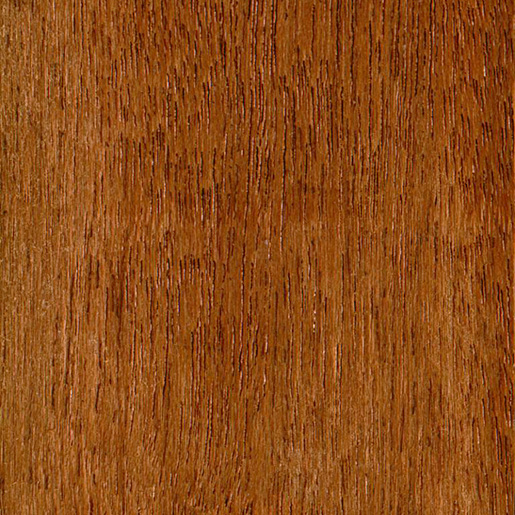
    • Description: Angelim Pedra is medium tan color with a defined grain. It has mineral deposits, known as pedras (stone in Portuguese), which is where it gets its name. Angelim Pedra is commonly used in industrial applications as well as for exterior residential decking. It is naturally durable and economically competitive to other industrial woods such as Keruing / Apitong.
    • Hardness: 1,720 pounds
    • Strength (MOR): 18,255 psi
    • Stiffness (MOE): 2,050 1000 psi
    • Density (KG/m3): 960
    • Tangential Shrinkage: 7.1 %
    • Radial Shrinkage: 4.4 %
  • Apitong, Keruing

    View Products in Apitong, Keruing
  • Brazilian Cherry

    View Products in Brazilian Cherry
    • Other Names: Hymenaea courbaril, Jatoba, Brazilian Cherry, Copal, Azucar, Jatai, Jutai, Locust
    • Description: Brazilian Cherry or Jatoba is the most popular imported wood for interior flooring. It is medium red-brown and darkens with exposure to light. It is occasionally used as residential decking and for the construction of furniture. It has beautiful grain patterns, is very stable, and is naturally durable.
    • Hardness: 2,350 pounds
    • Strength (MOR): 19,400 psi
    • Stiffness (MOE): 2,160 1000 psi
    • Density (KG/m3): 800
    • Tangential Shrinkage: 6.2 %
    • Radial Shrinkage: 4.8 %
  • Cambara

    View Products in Cambara
    • Other Names: Erisma uncinatum, Mahogany, Jaboty, Quarubarana, Mureillo, Cedrinho, Mureillo
    • Description: Cambara Mahogany is a common substitute to Dark Red Meranti. Cambara is very color consistent and takes on a deep chocolate color when stained with oil. Commonly used for residential decking, especially in the Northeast US, Cambara can also be used for industrial applications such as tie down slats and side rack material.
    • Hardness: 1,740 pounds
    • Strength (MOR): 12,800 psi
    • Stiffness (MOE): 1,640 1000 psi
    • Density (KG/m3): 650
    • Tangential Shrinkage: 9.1 %
    • Radial Shrinkage: 4.2 %
  • Cumaru

    View Products in Cumaru
    • Other Names: Dipteryx odorata, Brazilian Chestnut, Southern Chestnut, Brazilian Teak
    • Description: Cumaru is commonly used for both exterior decking and interior flooring. It is medium to dark brown wood with some red tones as well. Very hard and very dense, Cumaru is the closest specie to Ipe or Brazilian Walnut. It must be kiln dried for most applications due its higher shrinkage percentages from green to dry.
    • Hardness: 3,200 pounds
    • Strength (MOR): 24,800 psi
    • Stiffness (MOE): 3,050 1000 psi
    • Density (KG/m3): 1,090
    • Tangential Shrinkage: 8.4 %
    • Radial Shrinkage: 5.4 %
  • Dark Red Meranti

    View Products in Dark Red Meranti
    • Other Names: Shorea negrosensis, Aprit, Aruas, Babanganon, Philippine mahogany, Dark red seraya, Red lauan, Tampalasaha
    • Description: Dark Red Meranti is most often used for residential decking applications. Similar to Cambara Mahogany, Dark Red Meranti can find its way into industrial applications such as LTF, Laminated Truck Flooring, tie down slats and plywood.
    • Hardness: 1,900 pounds
    • Strength (MOR): 17,600 psi
    • Stiffness (MOE): 1,900 1000 psi
    • Density (KG/m3): 700
    • Tangential Shrinkage: 6.6 %
    • Radial Shrinkage: 3.4 %
  • Douglas Fir

    View Products in Douglas Fir
    • Other Names: Pseudotsuga menziesii, Blue Douglas-fir, British Columbia pine, British Colubian pine, Coast Douglas-fir, Colorado Douglas-fir, Colorado Pino real, Colorado real, Columbian Pine, Douglas spruce, Inland Douglas-fir, Interior Douglas-fir, Oregon Douglas-fir, Oregon pine, Puget Sound pine, Red fir, Rocky Mountain Douglas-fir, Yellow fir
    • Description: Douglas Fir has been used for centuries in the construction industry. One of the most common woods in the Western US, Douglas Fir is available in a wide range of grades from cheap construction material under $200/MBF all the way up to Clear All Heart Veneer Slicing material at over $6,000/MBF.
    • Hardness: 660 pounds
    • Strength (MOR): 12,400 psi
    • Stiffness (MOE): 1,950 1000 psi
    • Density (KG/m3): 530
    • Tangential Shrinkage: 7.6 %
    • Radial Shrinkage: 4.8 %
  • Garapa

    View Products in Garapa
    • Other Names: Apuleia leiocarpa, Grapia, Almendrillo Amarillo, Muirajuba, Cobre, Ana, Ana caspi, Gateado, Mapurite
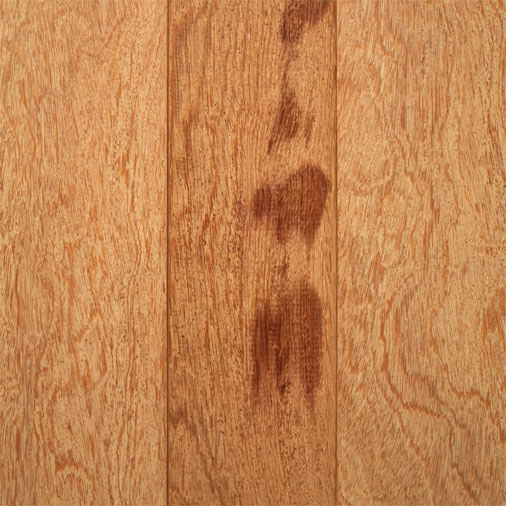
    • Description: Garapa or Gapapeira is yet another heavy duty, industrial strength and naturally durable wood from South America. It is commonly used as decking, but can also be used in industrial applications. Light tan to soft yellow, Garapa is also stable and very strong.
    • Hardness: 1,700 pounds
    • Strength (MOR): 18,100 psi
    • Stiffness (MOE): 1,835 1000 psi
    • Density (KG/m3): 830
    • Tangential Shrinkage: 10.0 %
    • Radial Shrinkage: 6.5 %
  • Greenheart

    View Products in Greenheart
    • Other Names: Ocotea rodiaei, Black greenheart, Brown greenheart, Bull forehead greenheart, Cogwood, Queenwood, Torchwood, White greenheart, Yellow greenheart
    • Description: Greenheart is one of the few species of wood that can handle exposure to salt water. It was used on Shackleton's ice breaker vessels that sailed to Antarctica in the early 1900's. One of the hardest and most durable woods on the planet, Greenheart is typically used in rough lumber and piling applications.
    • Hardness: 3,500 pounds
    • Strength (MOR): 19,550 psi
    • Stiffness (MOE): 2,970 1000 psi
    • Density (KG/m3): 960
    • Tangential Shrinkage: 9.6 %
    • Radial Shrinkage: 8.8 %
  • Ipe

    View Products in Ipe
    • Other Names: Tabebuia spp, Lapacho, Brazilian Ebony, Brazilian Walnut, Ironwood, Irontree, Tajibo, Guayacan, Lapacho, Arcwood
    • Description: Ipe is the most popular residential hardwood decking material because it is simply the best. Very durable, very hard and very stable, Ipe is a deep brown color. Ipe is also know as Brazilian Walnut and is one of the most sought after woods throughout the world.
    • Hardness: 3,840 pounds
    • Strength (MOR): 25,400 psi
    • Stiffness (MOE): 3,140 1000 psi
    • Density (KG/m3): 1,025
    • Tangential Shrinkage: 8.0 %
    • Radial Shrinkage: 6.6 %
  • Massaranduba

    View Products in Massaranduba
    • Other Names: Manilkara bidentata, Brazilian Redwood, Bulletwood, Chicozapote, Ausubo, Nispero, Beefwood, Bolletri, Balata Rouge
    • Description: Brazilian Redwood, also known as Massaranduba and Bulletwood, is occasionally used in industrial applications. Generally, this specie is used for interior flooring and decking, but it has been used in the past for shiplap applications.
    • Hardness: 3,190 pounds
    • Strength (MOR): 29,200 psi
    • Stiffness (MOE): 3,450 1000 psi
    • Density (KG/m3): 1,000
    • Tangential Shrinkage: 9.4 %
    • Radial Shrinkage: 6.3 %
  • Purpleheart

    View Products in Purpleheart
    • Other Names: Peltogyne spp, Pau Roxo, Roxihno, Pau Violeta, Amaranth
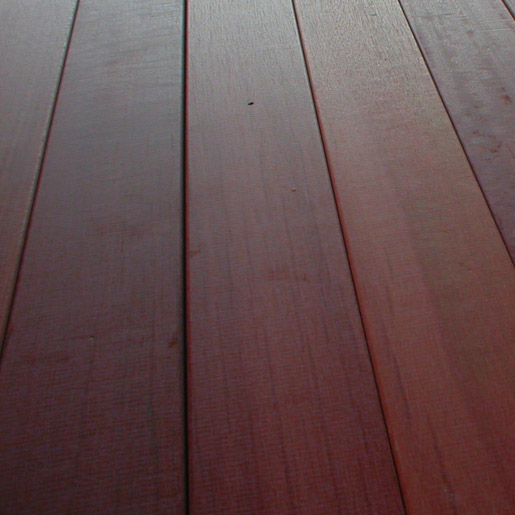
    • Description: Purpleheart is an outstanding industrial application wood because it is naturally durable and very stable. Purpleheart has been used for many years in the trailer industry and the ship building industry. Typically available as rough lumber, Purpleheart can also be run to shiplap and S4S boards.
    • Hardness: 1,860 pounds
    • Strength (MOR): 21,300 psi
    • Stiffness (MOE): 2,420 1000 psi
    • Density (KG/m3): 1,057
    • Tangential Shrinkage: 6.1 %
    • Radial Shrinkage: 3.2 %
  • Red Oak

    View Products in Red Oak
  • Tatajuba

    View Products in Tatajuba
    • Other Names: Bagassa guianensis, Bagasse, Cow-wood, Gele Bagasse, Bagasse jaune, Amapa-rana
    • Description: Tatajuba was one of the first South American hardwoods to be used as a substititute to Apitong or Keruing solid shiplap plank flooring. Tatajuba is not the most stable wood when compared to Purpleheart or Angelim Pedra, but it is naturally durable and very hard.
    • Hardness: 2,220 pounds
    • Strength (MOR): 32,270 psi
    • Stiffness (MOE): 1,680 1000 psi
    • Density (KG/m3): 880
    • Tangential Shrinkage: 8.0 %
    • Radial Shrinkage: 4.0 %
  • TigerWood

    View Products in TigerWood
    • Other Names: Astronium fraxinifolium, Cuta Tigre, Muiracatiara, Bois de Zebre, Bossona, Goncalo Alves, Mura, Kingwood, Urunday-para, Zebrawood, Zorrowood
    • Description: Tigerwood has become popular for exterior decking and interior flooring. Tigerwood can be used in some industrial applications because it is naturally durable, hard and stable (when kiln dried correctly).
    • Hardness: 1,850 pounds
    • Strength (MOR): 20,120 psi
    • Stiffness (MOE): 2,390 1000 psi
    • Density (KG/m3): 660
    • Tangential Shrinkage: 7.6 %
    • Radial Shrinkage: 4.0 %
  • Western Red Cedar

    View Products in Western Red Cedar
    • Other Names: Thuja plicata, Cypress, Oregon Cedar, Giant Cedar, Arborvitae, British Columbia cedar, Canoe cedar, Pacific red cedar, Shinglewood, Giant arborvitae
    • Description: Western Red Cedar is popular for decking, siding and paneling applications. It is not a good industrial wood despite its natural durability. It is too soft for any reasonable application in the truck and trailer industry.
    • Hardness: 350 pounds
    • Strength (MOR): 7,500 psi
    • Stiffness (MOE): 1,110 1000 psi
    • Density (KG/m3): 260
    • Tangential Shrinkage: 5.0 %
    • Radial Shrinkage: 2.4 %
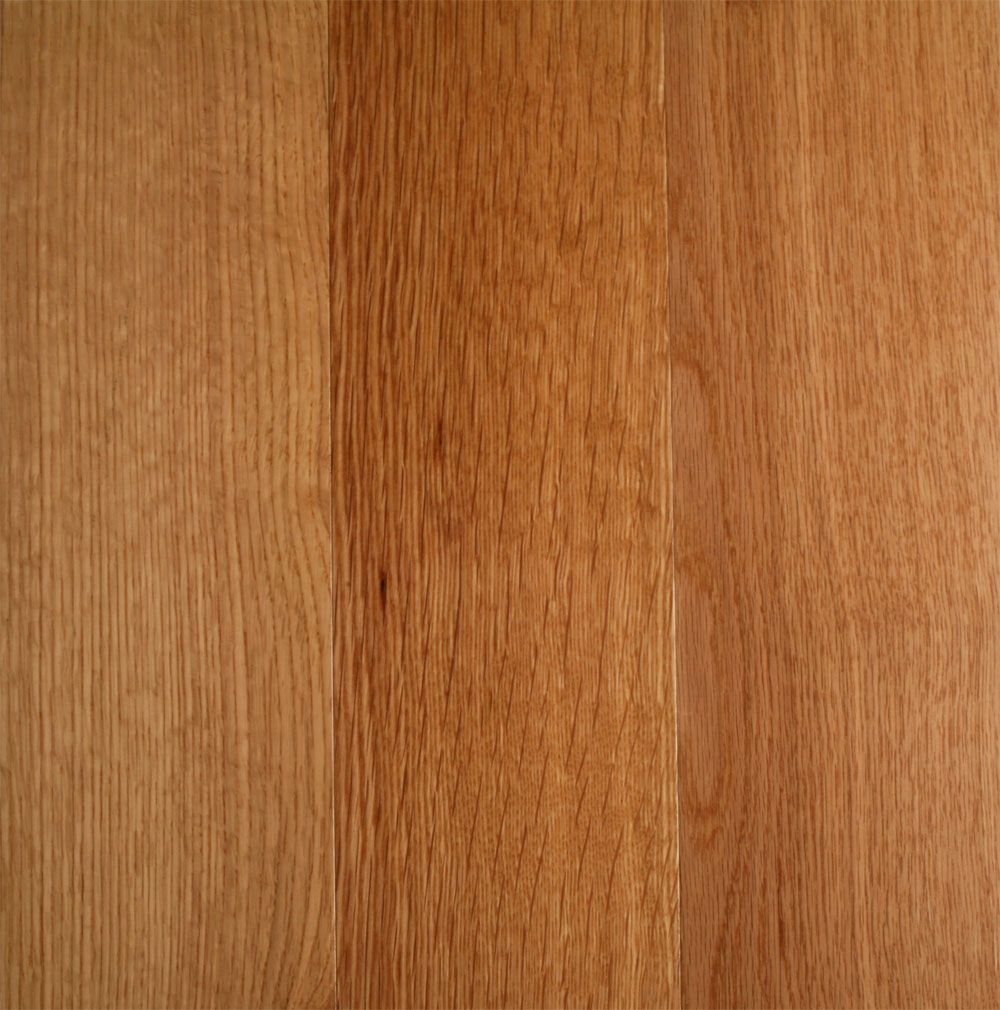
  • White Oak

    View Products in White Oak
    • Other Names: Quercus spp, Arizona oak, Stave oak, white oak, Swamp white oak, Brewer oak, Garry oak, Oregon oak, California white oak, Valley oak, Valley white oak,
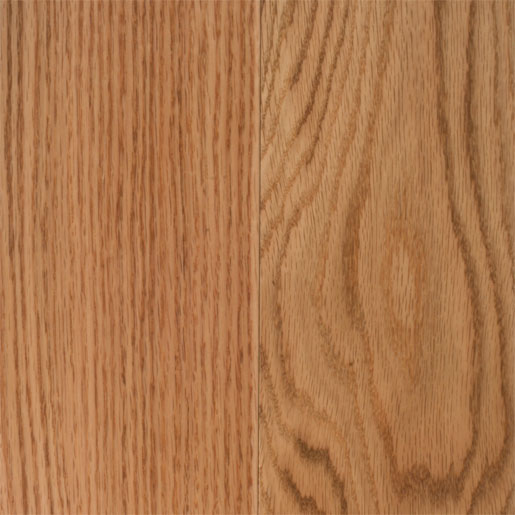
    • Description: White Oak is often used for LTF, Laminated Truck Flooring. It is harder than Red Oak and slightly more durable. To tell the difference between White and Red Oak, look carefully at the end of a piece and look for open pores - if the pores are open than you are looking at Red Oak; if the pores are filled with cellulose and closed, then it is White Oak.
    • Hardness: 1,360 pounds
    • Strength (MOR): 15,200 psi
    • Stiffness (MOE): 1,780 1000 psi
    • Density (KG/m3): 900
    • Tangential Shrinkage: 7.4 %
    • Radial Shrinkage: 4.2 %